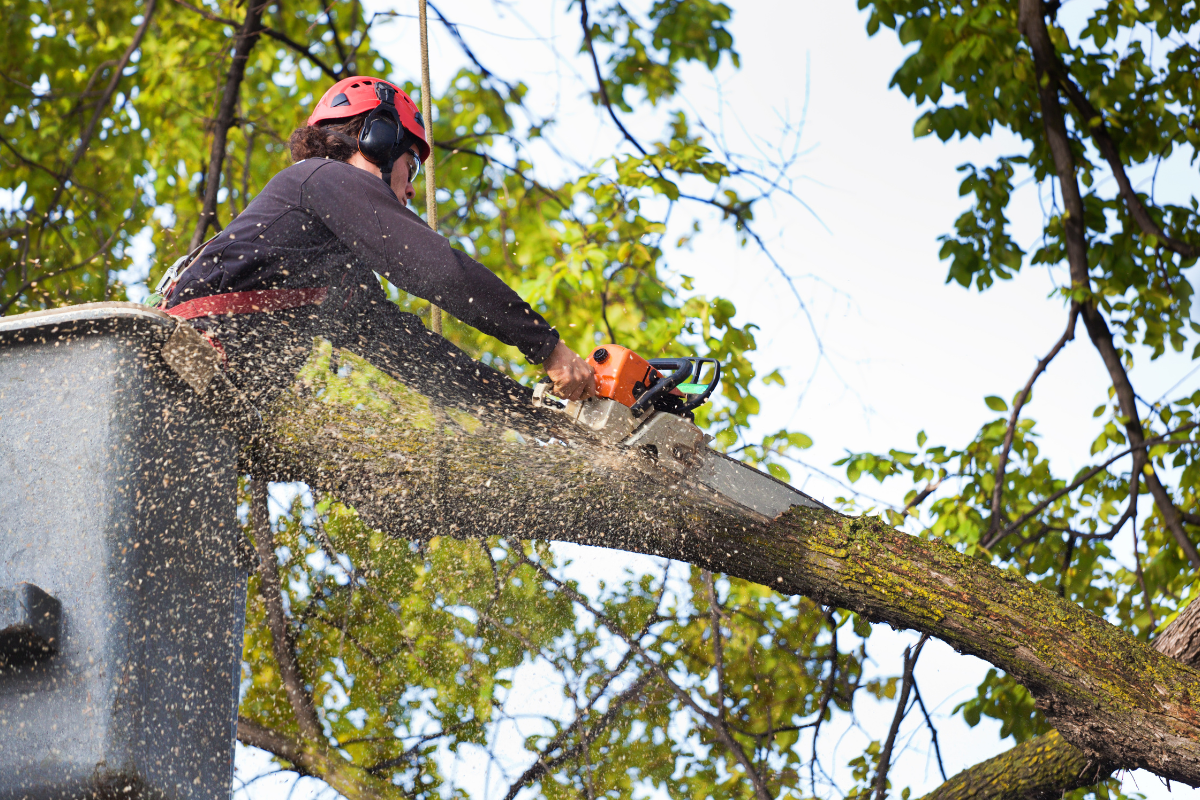
Trees can provide shade, beauty, and value to a property, but dead, damaged, or overgrown trees may create safety and maintenance concerns. Professional tree service in Lincoln County, MS can help homeowners and businesses manage these issues with services such as tree removal, trimming, pruning, stump grinding, and emergency tree care. Regular tree maintenance can help keep outdoor areas safer, cleaner, and easier to manage.
Dead, weakened, leaning, or storm-damaged trees can create problems for homes and businesses. Tree removal in Lincoln County, MS may be needed when a tree becomes hazardous, severely damaged, or no longer suitable for the property. Professional removal involves proper equipment and controlled techniques, particularly when trees are close to buildings, fences, driveways, or other structures.
Tree trimming helps manage excessive branch growth and maintain a tree's natural form. In Lincoln County, MS, removing dead, broken, or unwanted branches can improve clearance around roofs, roads, walkways, and other areas. Regular trimming can also help keep trees easier to manage and maintain.
Tree pruning is focused on maintaining healthy structure and encouraging balanced growth. Removing dead, diseased, crossing, or poorly placed branches can improve the overall condition of a tree. Proper pruning in Lincoln County, MS can also help address structural concerns and reduce certain potential hazards.
Remaining stumps can interfere with mowing, landscaping, and everyday use of a yard. Stump grinding in Lincoln County, MS removes unwanted stump material below ground level, helping clear the area for future use. The space can then be prepared for grass, planting, landscaping, or other improvements.
Severe weather can leave behind fallen trees, broken branches, and other urgent hazards. Emergency tree service in Lincoln County, MS can help address storm-related tree problems and clear affected areas. Prompt professional attention can help make the property safer and limit further issues.
Professional tree care can help address hazardous branches, unstable trees, and other conditions that may pose a risk to people or property. Removing problem growth can provide better clearance around buildings, vehicles, walkways, and outdoor areas.
Careful pruning and trimming can help maintain balanced branch growth and remove dead or damaged sections. Routine attention may also make it easier to spot decay, pest activity, disease, or structural problems early.
Overgrown branches, dead limbs, and unwanted tree growth can make a property look untidy. Professional maintenance can help keep trees properly shaped while creating a cleaner and more organized outdoor environment.
Overhanging branches and unwanted trees can interfere with driveways, paths, patios, and other parts of a property. Tree removal and trimming can help improve clearance and make outdoor areas easier to access and maintain.
Severe weather can put additional stress on weak trees and damaged branches. Identifying and addressing vulnerable areas before storms may help reduce the chance of falling limbs and other tree-related problems.
Some tree projects require more than basic cutting tools. Professional crews may use specialized equipment, including cranes, to handle large or difficult-to-access trees while working carefully around homes, landscaping, and other structures.
Signs such as dead limbs, major leaning, storm damage, visible decay, disease, or tree growth close to a building may indicate a concern. A professional inspection can help determine whether the tree needs pruning, trimming, removal, or another type of care.
The cost of tree removal depends on factors such as the tree's height, size, condition, location, accessibility, and the amount of work involved. Trees near structures, fences, driveways, or utility lines may require additional equipment and planning. A site-specific estimate can give a better idea of the expected cost.
Trimming is commonly used to manage excessive growth, improve clearance, and maintain the tree's overall shape. Pruning is more focused on tree health and structure by removing dead, damaged, diseased, or poorly positioned branches. The appropriate service depends on the tree's condition and the purpose of the work.
Emergency tree service can be used for situations involving fallen trees, broken limbs, storm damage, or other immediate tree hazards. Professional crews can help clear affected areas and address tree-related risks around homes, vehicles, and other property.
Large trees can sometimes be removed from areas close to homes, but the work requires careful planning. Professionals can evaluate the tree, nearby structures, available access, and site conditions before choosing controlled cutting methods or specialized equipment.
Tree removal can produce branches, logs, leaves, and other debris. Cleanup arrangements vary by service provider and project, so it is helpful to confirm whether debris removal and site cleanup are included in the tree removal service.
Yes. Stump grinding can reduce a remaining stump below the surrounding surface, making the area easier to mow, landscape, or reuse. The space can later be prepared for grass, plants, mulch, or other outdoor improvements.
Many tree service providers work with both residential and commercial properties. Businesses, rental properties, offices, HOAs, and other sites may need tree trimming, pruning, removal, stump grinding, emergency work, or ongoing maintenance.